English| USD
Suggested for you
More currencies
Book Now
Open today · 00:00–23:59

Osaka Food Tour Dotonbori

Osaka Food Tour Dotonbori — Street Eats & Izakaya Walks

Neon signs, canal-side stalls, fifteen tastings under the Glico Man

50K+ travelers chose this
Free Cancellation
Right now: Moderate — weekday evening Check local neon sign displays for seasonal variations.
Free Cancellation
Free cancellation Instant confirmation Mobile voucher Verified partner Book now, pay later
1612
Founded
Started by merchant Yasui Doton
2.7 km
Canal length
Flows through the Minami district
90M+
Annual visitors
Most visited entertainment district in region
100+
Food stalls
Features legendary kuidaore culinary culture
0 JPY
Entrance fee
Public street, free entry
Choose your ticket

Osaka Food Tour Dotonbori tickets at a glance

Compare fares, pick the fit — all bookings are mobile-voucher and eligible for free cancellation where shown.

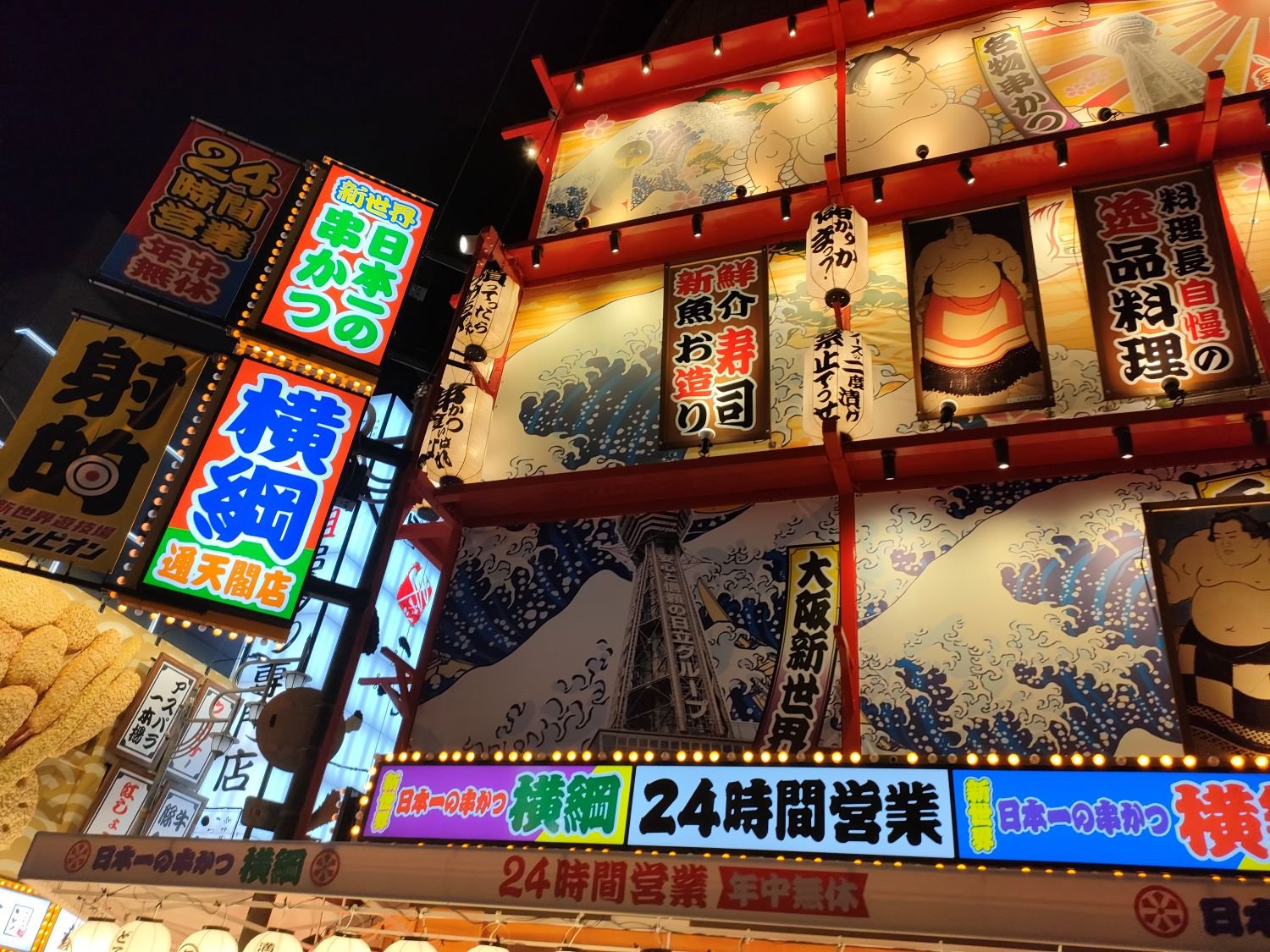
Osaka Food Tour: 15 Dishes & 3 Drinks in Shinsekai 3 hr
Standard Entry

Osaka Food Tour: 15 Dishes & 3 Drinks in Shinsekai

4.8 (2828)
€73
  • Entry ticket
  • Mobile voucher
  • Valid same day
  • Free cancellation
Book this ticket
Osaka Street Food Tour: 18 Dishes & 3 Drinks in Shinsekai 3 hr
Standard Entry

Osaka Street Food Tour: 18 Dishes & 3 Drinks in Shinsekai

4.8 (422)
€56
  • Entry ticket
  • Mobile voucher
  • Valid same day
  • Free cancellation
Book this ticket
Compare options

Compare Osaka Food Tour Dotonbori ticket options

Exploring the osaka food tour dotonbori district is best achieved by understanding that the area itself is a public street, while organized culinary experiences provide curated access to local delicacies. These osaka food tour dotonbori tours allow you to bypass queues and uncover hidden gems that are difficult to locate independently.

Independent Visit Self-Guided Access Top pick
Culinary Walking Tour Guided Experience
Entrance Fee 0 JPY
Access Method Public street
Time Commitment Flexible
Areas Included Full district
Best For Budget-conscious travelers

Verdict: For the most efficient experience, first-time visitors should choose professional osaka food tour dotonbori tickets to benefit from expert local navigation through the city's landmarks.

Is Osaka Food Tour Dotonbori worth it?

Worth it for guided tastings, not DIY exploring

An osaka food tour dotonbori experience centers on concentrated tastings—most operators bundle 12–18 dishes with drinks across a three-hour window. Entry to Dotonbori itself costs nothing; you're paying for curation and access to vendors a solo walker might skip. Tours typically run ¥8,000–¥12,000 per person, covering takoyaki, okonomiyaki, kushikatsu, and izakaya stops in Shinsekai or along the canal. The value proposition hinges on whether you want a local guide narrating Osaka's culinary identity or prefer plotting your own route through the neon-lit arcade. First-time visitors gain context—tasting notes on dashi, regional differences in batter technique, tucked-away stalls—that self-guided grazing won't deliver. If you already know your way around Kansai street food or thrive on spontaneous discovery, the structured route and fixed pace dilute the appeal.

What makes it worth it

  • Curated stops at high-turnover vendors locals trust
  • Guide explains regional techniques and ingredient sourcing
  • Covers 12–18 tastings so you skip menu paralysis
  • Evening departure syncs with neon signage at peak
  • Bundled drinks and izakaya access included

Keep in mind

  • Dotonbori street access itself is free year-round
  • Fixed route limits spontaneous detours to new openings
  • Group pace may feel rushed for photographers
  • Some osaka food tour dotonbori tours skip newer riverside vendors

Bottom line: Book the tour if you want culinary context and vendor access in one efficient pass; explore solo if discovery and timing flexibility matter more than narration.

Head to head

Osaka Food Tour Dotonbori vs Kuromon Ichiba Market — Which Is Better?

They complement each other; most visitors who do both call the Kuromon market experience the more thrilling culinary discovery, while an osaka food tour dotonbori tour provides the quintessential neon-lit evening atmosphere.

Top pick
Dotonbori Food Tour
Kuromon Ichiba Market
Primary Vibe Traditional market and produce focus
Best time to visit 09:00–14:00
Typical duration 1.5–2 hours
Entrance fee 0 JPY
Atmosphere Active and daytime-oriented
Best for Fresh seafood and food sourcing

Verdict: Choose a Kuromon Ichiba visit for high-quality fresh morning samples, or book osaka food tour dotonbori tickets if you prefer late-night snacking under iconic city landmarks.

Featured Experiences

Popular Osaka Food Tour Dotonbori tours & activities

Hand-picked experiences loved by thousands of travelers

Recommended Experience

Powered by GetYourGuide

Another traveler favorite

Powered by GetYourGuide
Osaka Evening Food Walk: 12 Dishes & Local Izakaya 2.5 hours Free Cancellation

Osaka Evening Food Walk: 12 Dishes & Local Izakaya

Explore Osaka's culinary heart with a guided tasting journey through neighborhood izakaya and hidden eateries.

4.8 (245)
FromFrom €45.71
See details
Dotonbori & Shinsekai Street Food Walking Tour 3 hours Free Cancellation

Dotonbori & Shinsekai Street Food Walking Tour

Savor Osaka's iconic street eats across three vibrant neighborhoods with hands-on cooking

4.7 (105)
FromFrom $107.51
See details
Dotonbori & Kuromon Market Walking Experience 2.5 hours Free Cancellation

Dotonbori & Kuromon Market Walking Experience

Discover Osaka's culinary heart through iconic streets, hidden temples, and bustling market lanes

4.9 (23)
FromFrom €19.54
See details
Dotonbori Street Food Walking Tour 2 hours Free Cancellation

Dotonbori Street Food Walking Tour

Discover Osaka's culinary heart on a 2-hour guided tasting adventure through Dotonbori's neon-lit streets

4.6 (139)
FromFrom €79.54
See details
Ura Namba Hidden Backstreet Food Tour 3 hours Free Cancellation

Ura Namba Hidden Backstreet Food Tour

Skip Dotonbori's neon crowds and dive into Osaka's secret downtown food scene with a local insider.

4.9 (29)
FromFrom €75.35
See details
Dotonbori Takoyaki Tasting Tour 2 hours Free Cancellation

Dotonbori Takoyaki Tasting Tour

Sample takoyaki at five beloved local spots and discover why this octopus ball snack defines Osaka

5 (6)
FromFrom €44.65
See details
Dotonbori River Cruise & Street Food Walking Tour 2 hours Free Cancellation

Dotonbori River Cruise & Street Food Walking Tour

Taste Osaka's legendary street eats, explore hidden alleys, and cruise under neon-lit bridges

4.7 (187)
FromFrom $32.25
See details
Private Osaka Discovery Tour with Luxury Transport 1 day Free Cancellation

Private Osaka Discovery Tour with Luxury Transport

Explore Osaka's iconic landmarks, vibrant neighborhoods, and culinary hotspots with a personal guide and premium vehicle.

FromFrom $291.16
See details
What you'll see

What you'll see at Osaka Food Tour Dotonbori

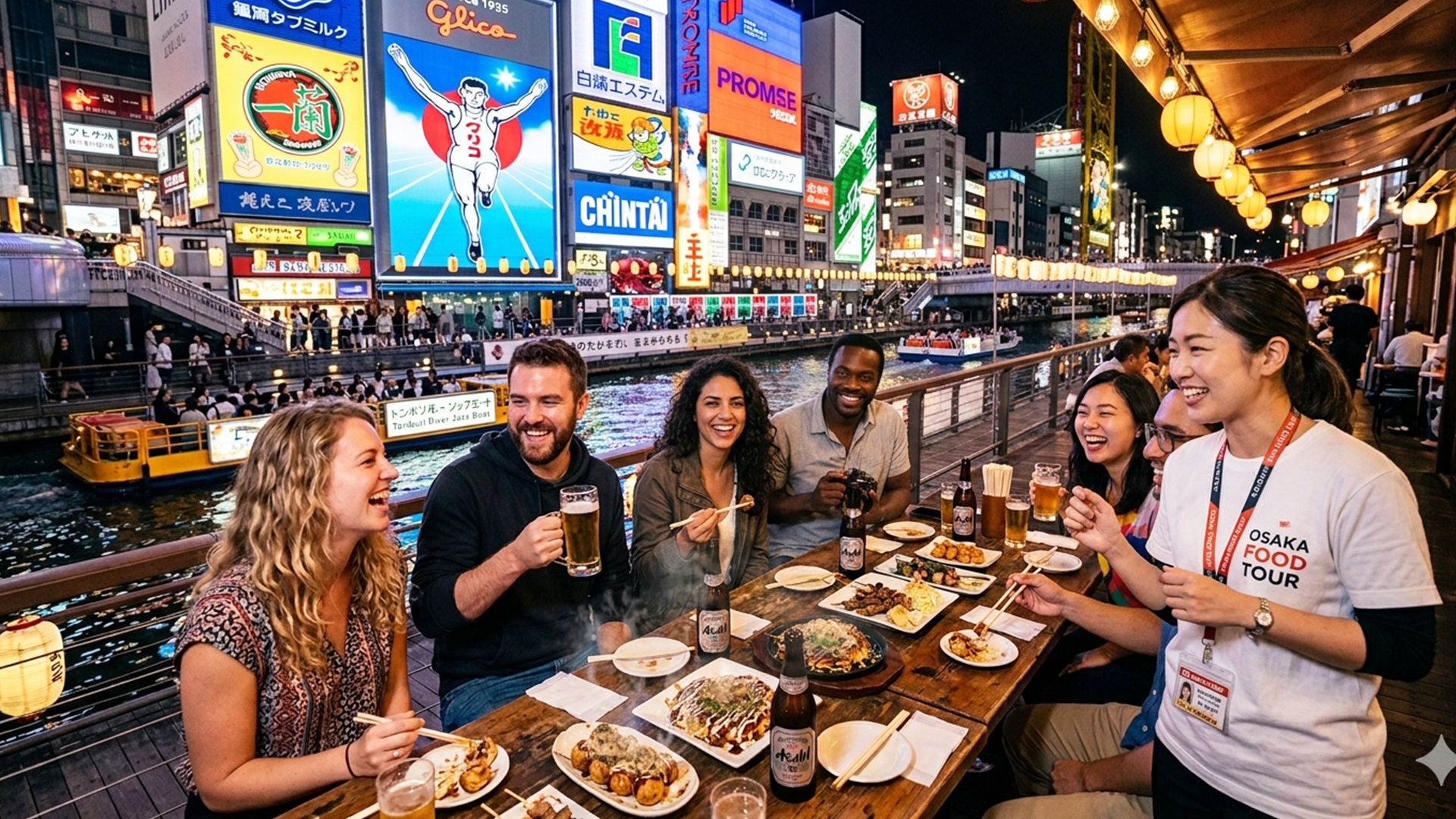
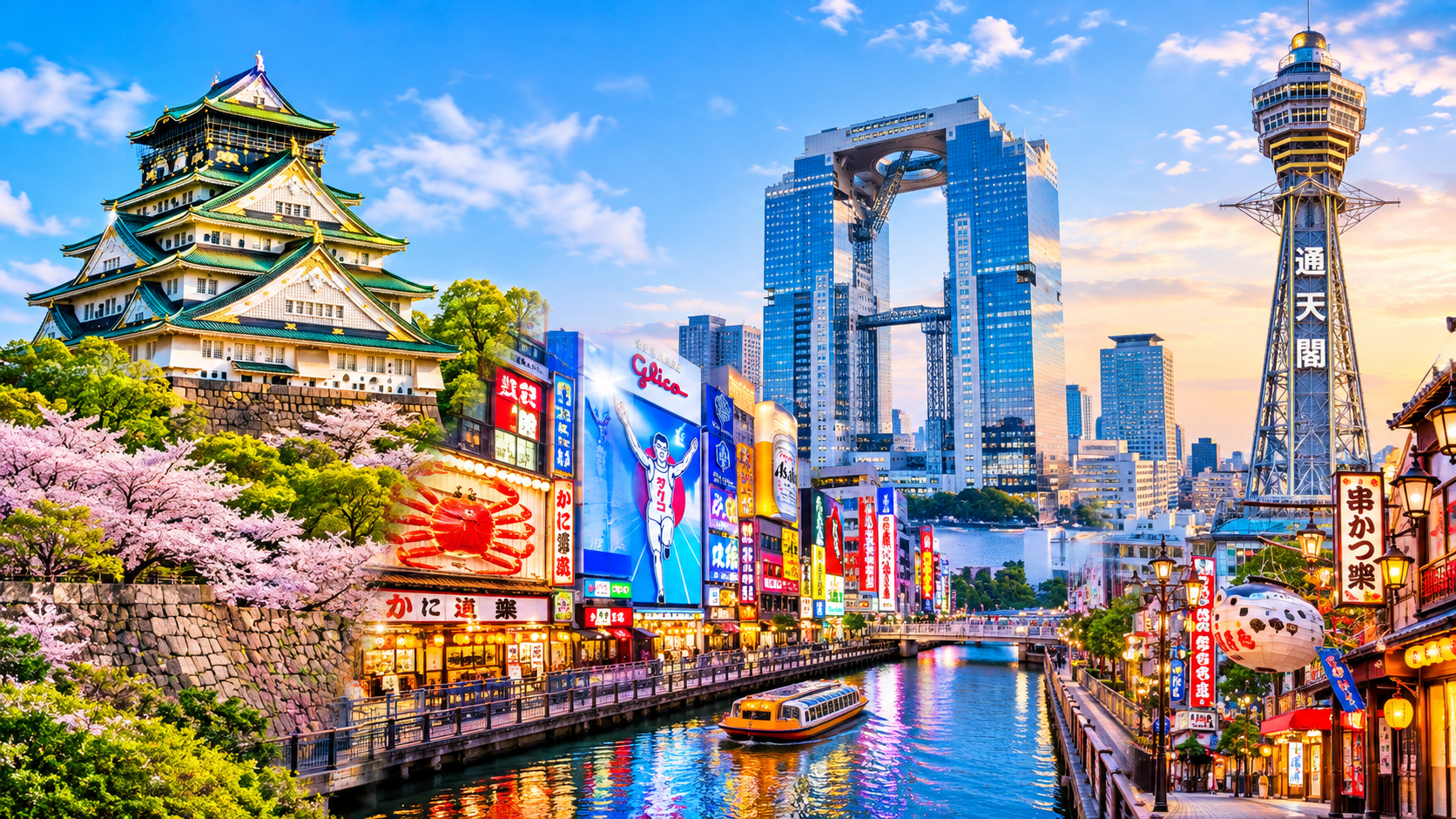
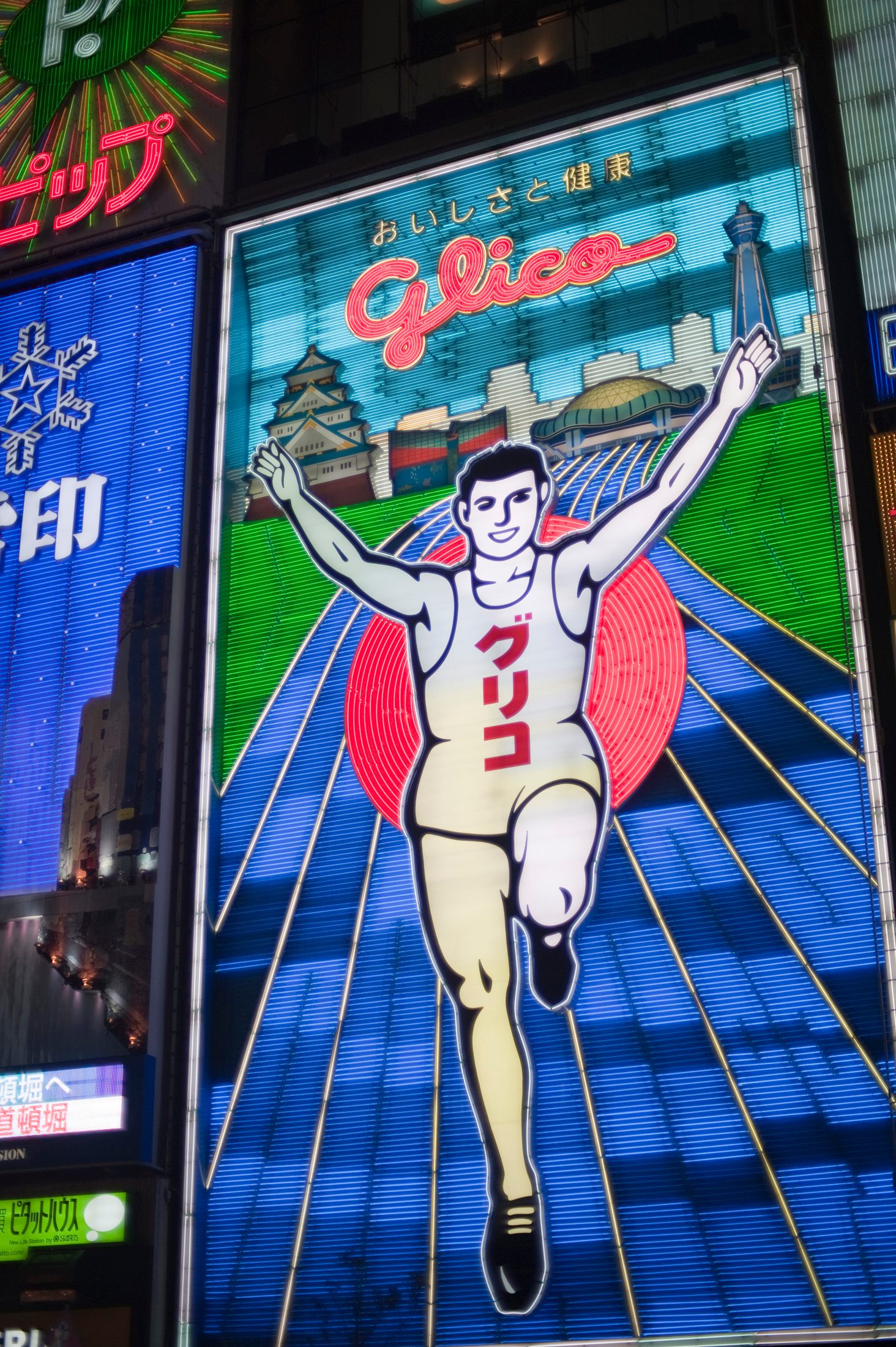
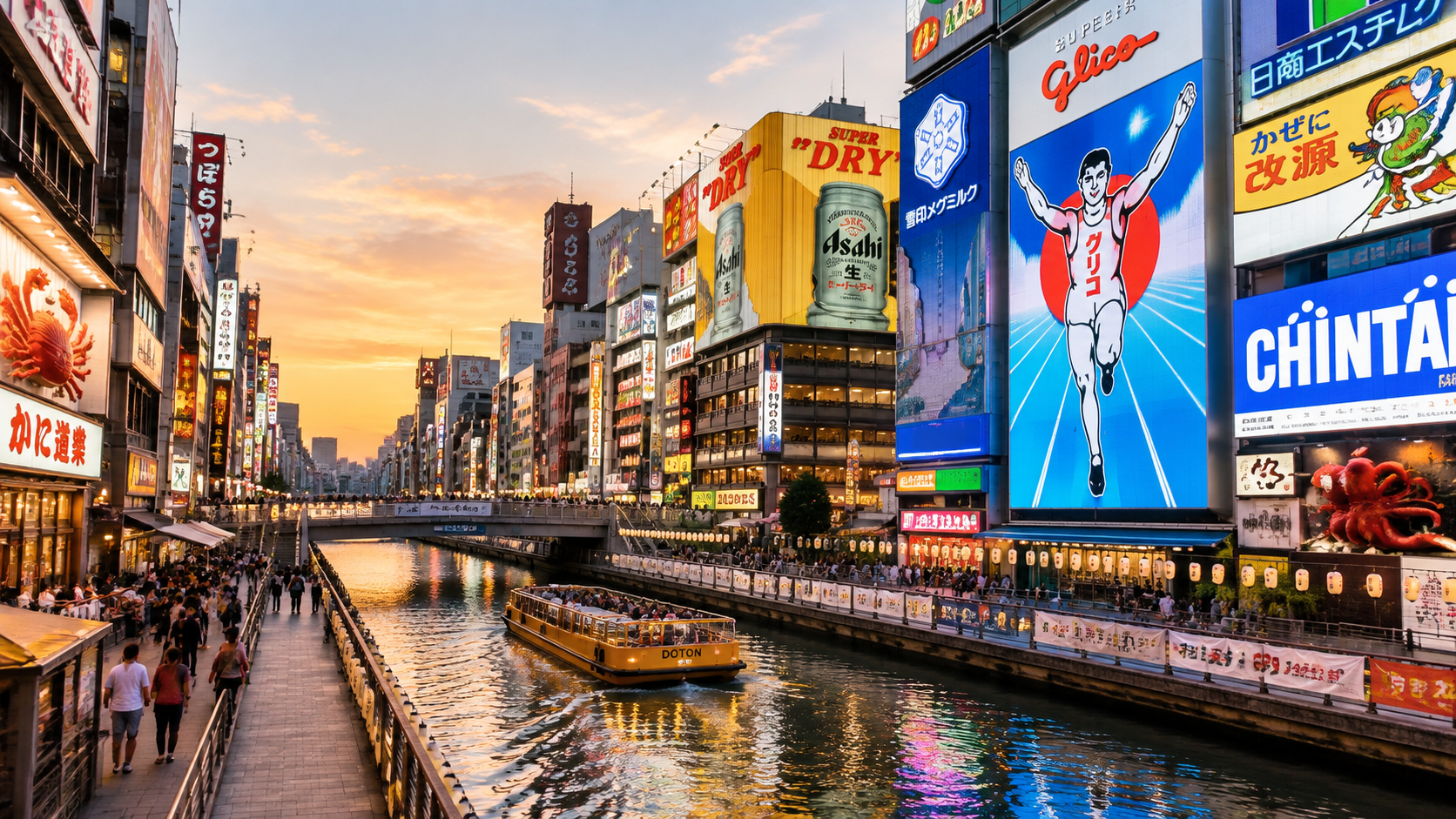
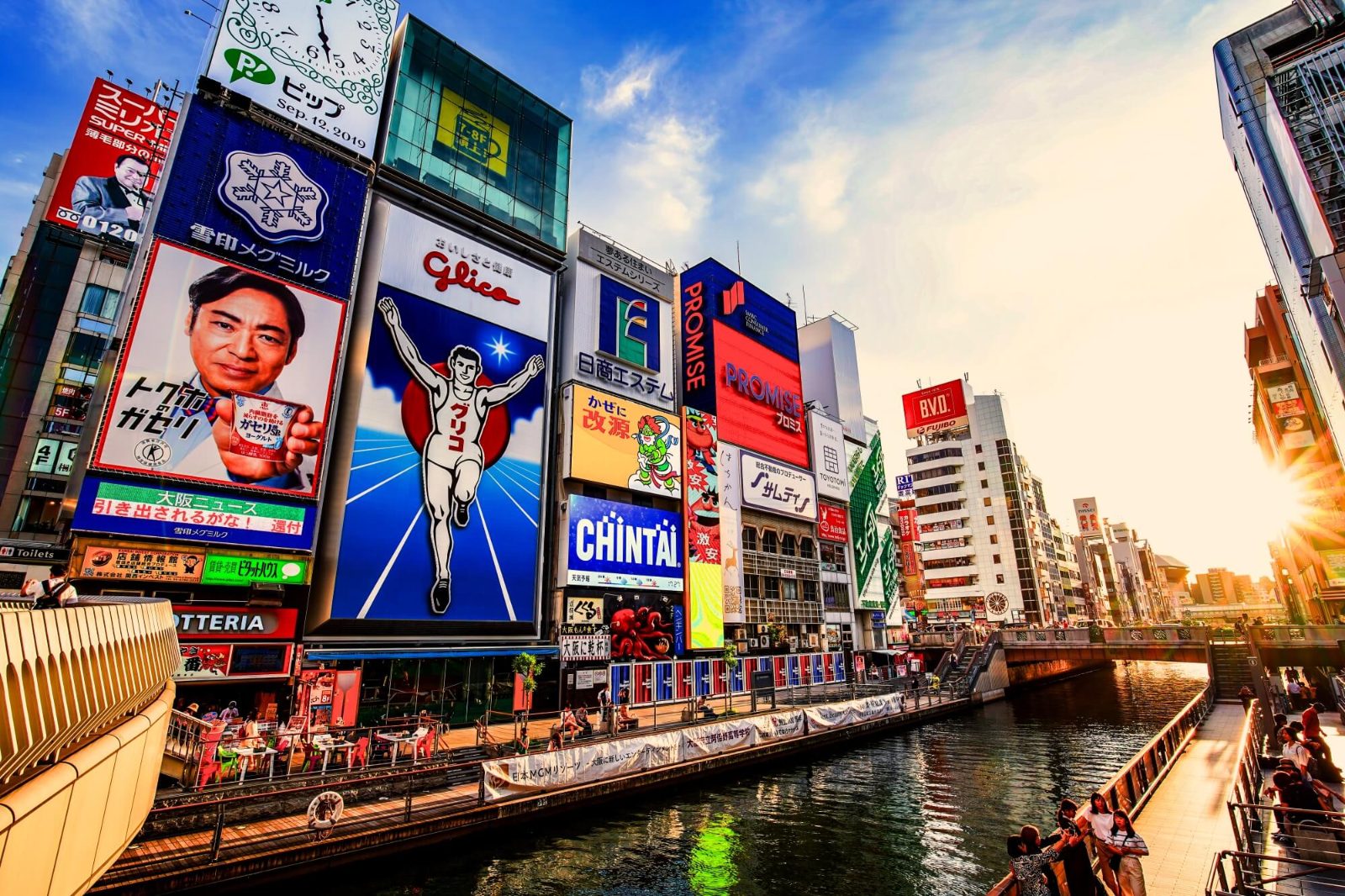
Glico Man Sign

Glico Man Sign

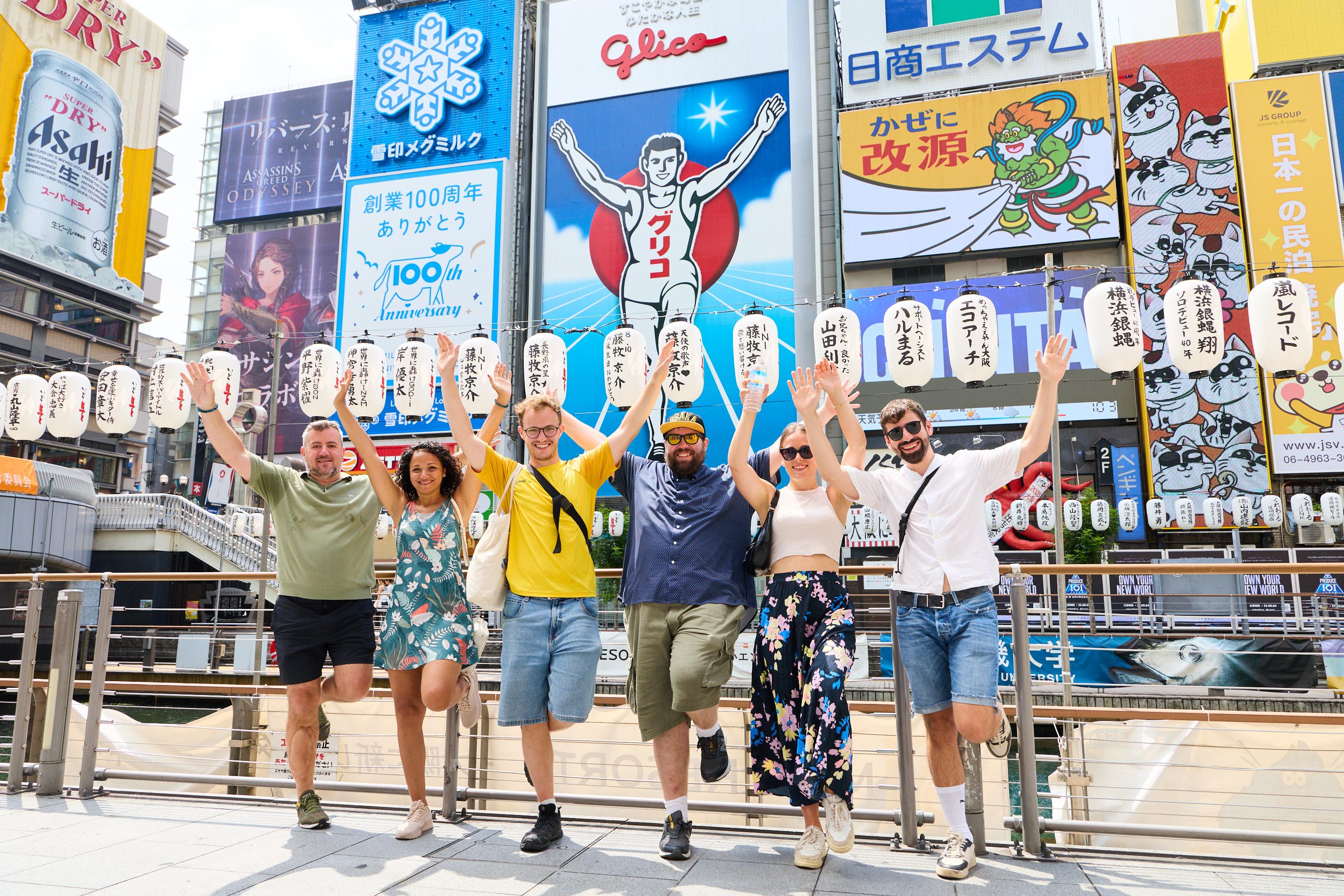
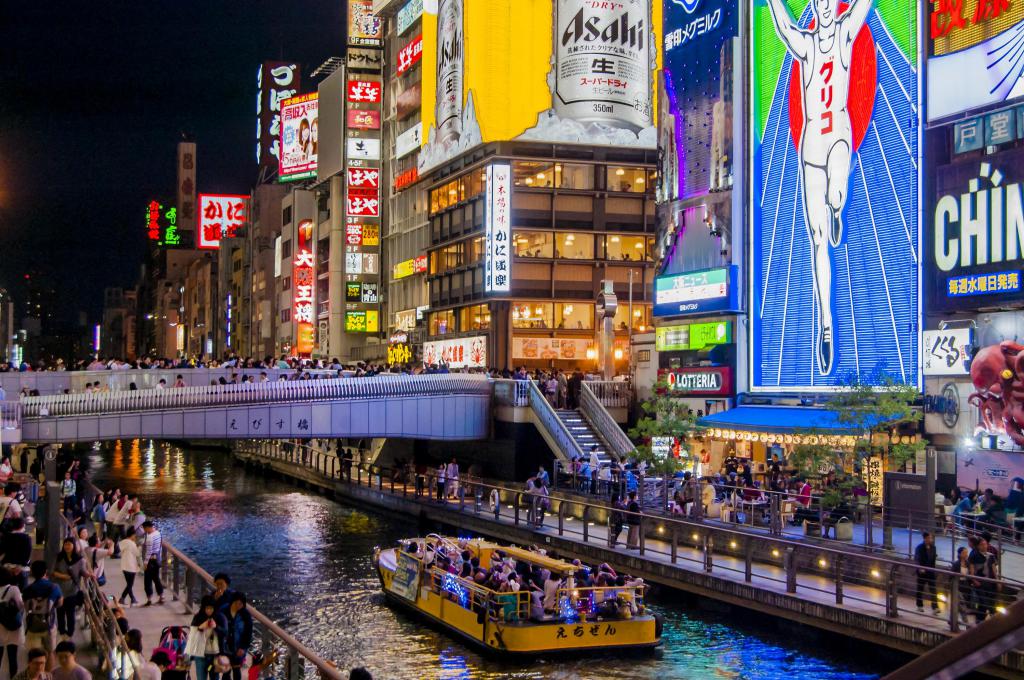
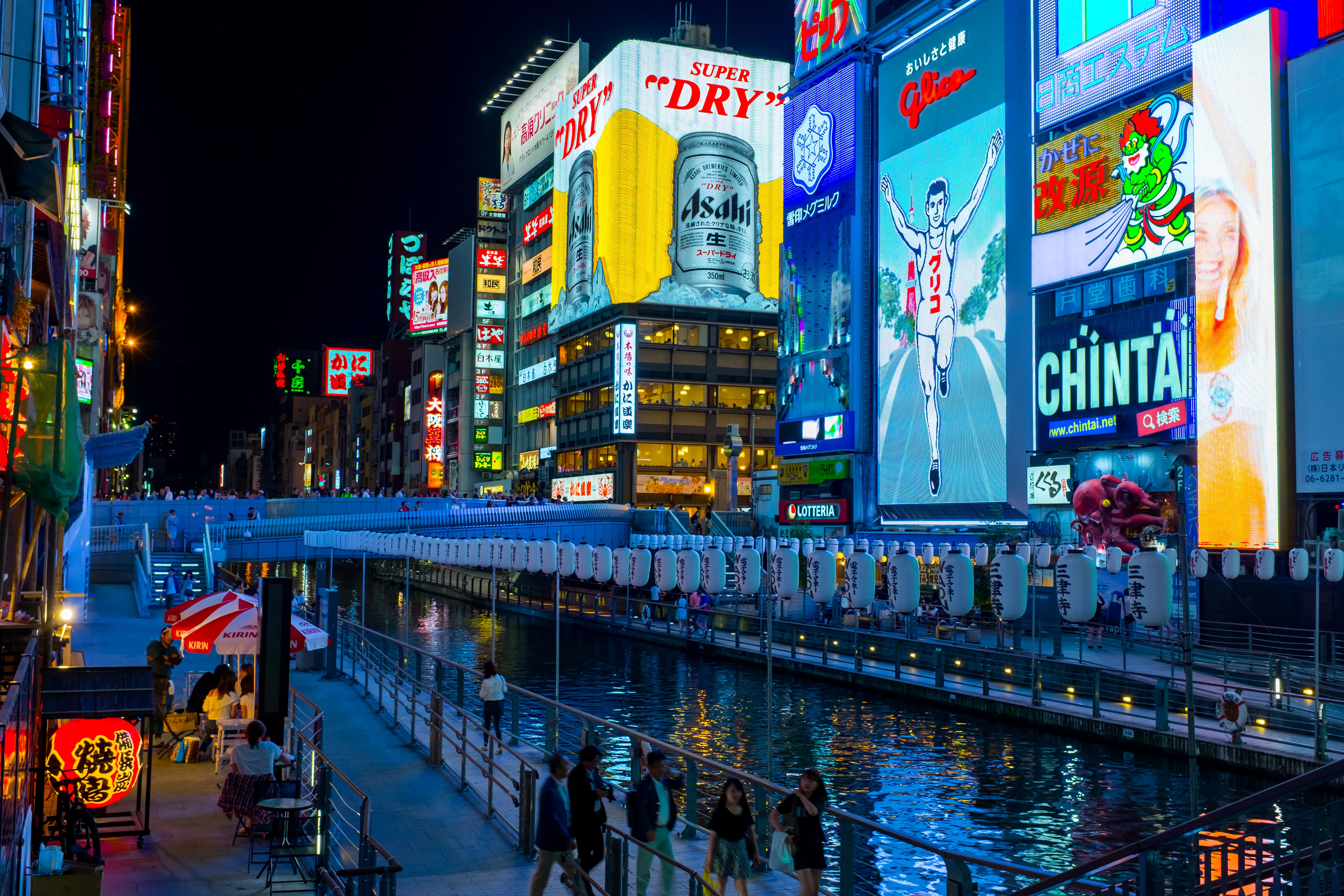
This iconic neon display has been a symbol of the area since 1935. It is the most photographed landmark during any osaka food tour dotonbori.

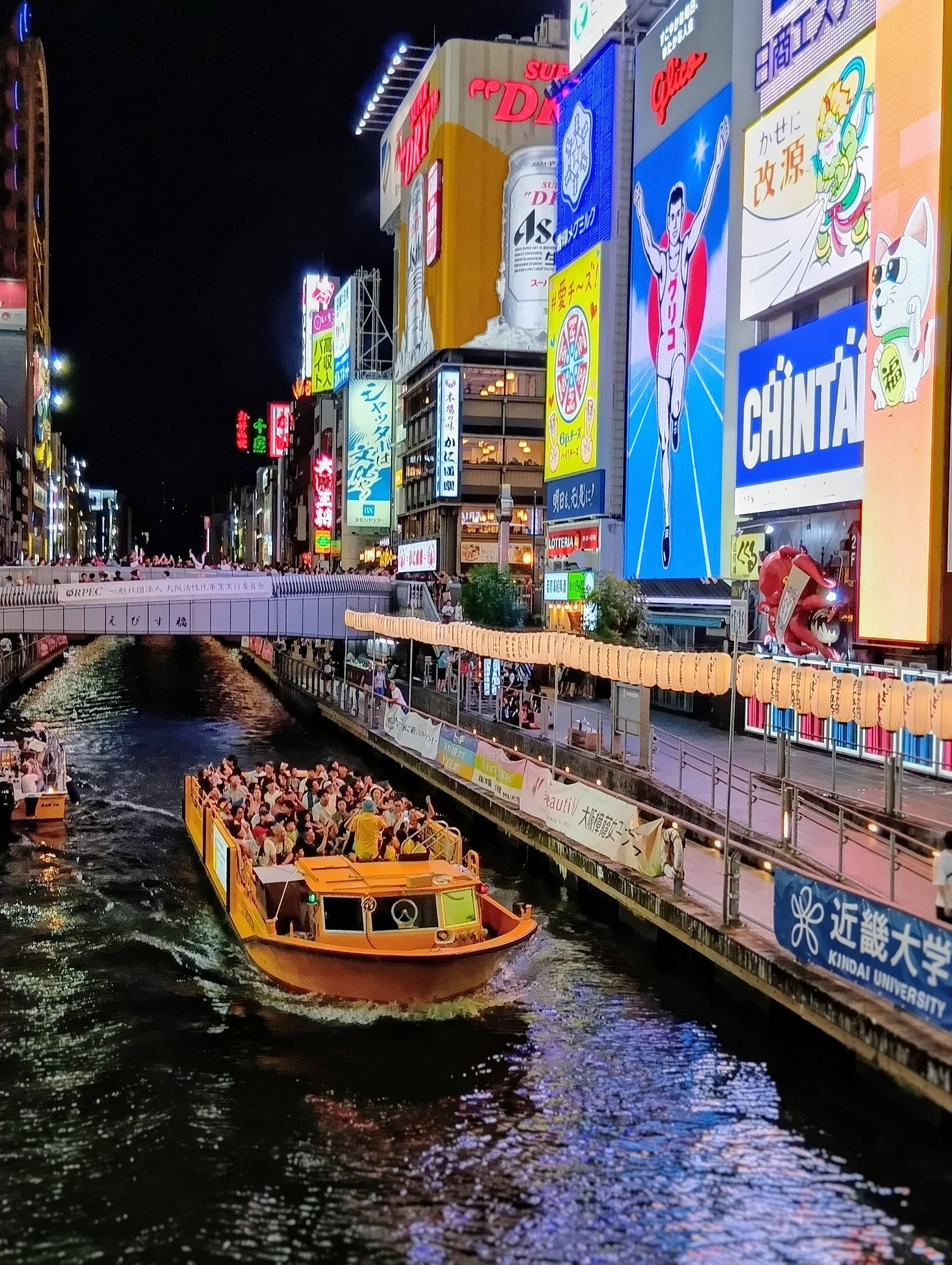
Dotonbori Canal

Dotonbori Canal

The canal serves as the center of the district, featuring boat cruises and riverside walking paths. It is the heart of every osaka food tour dotonbori.

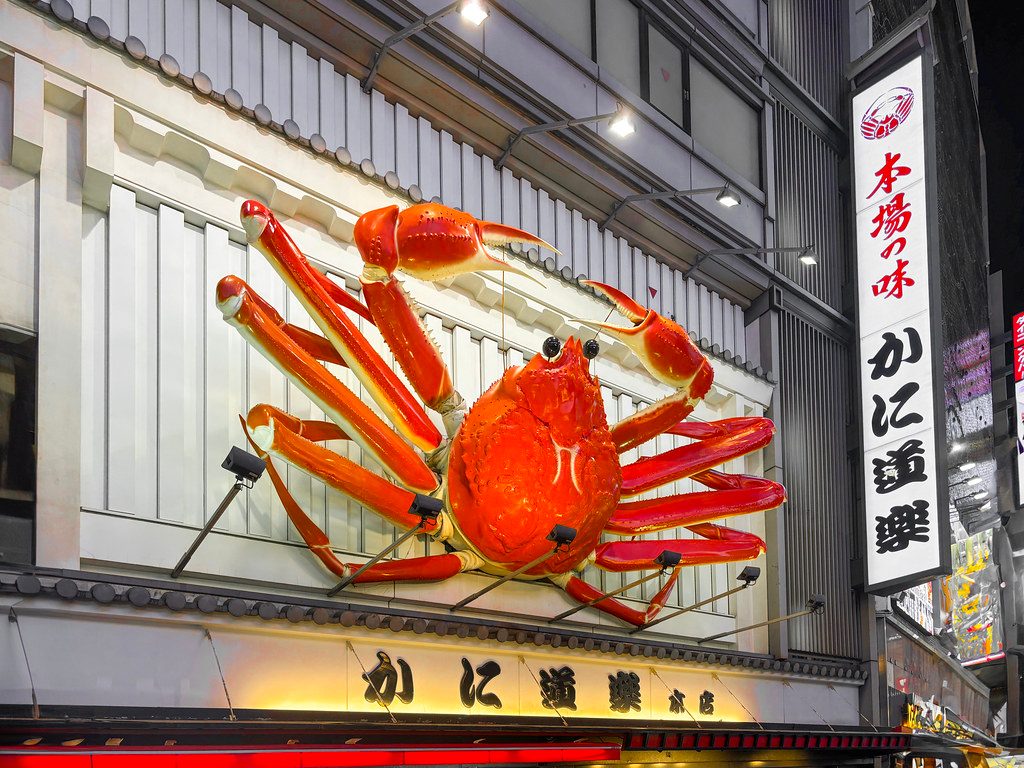
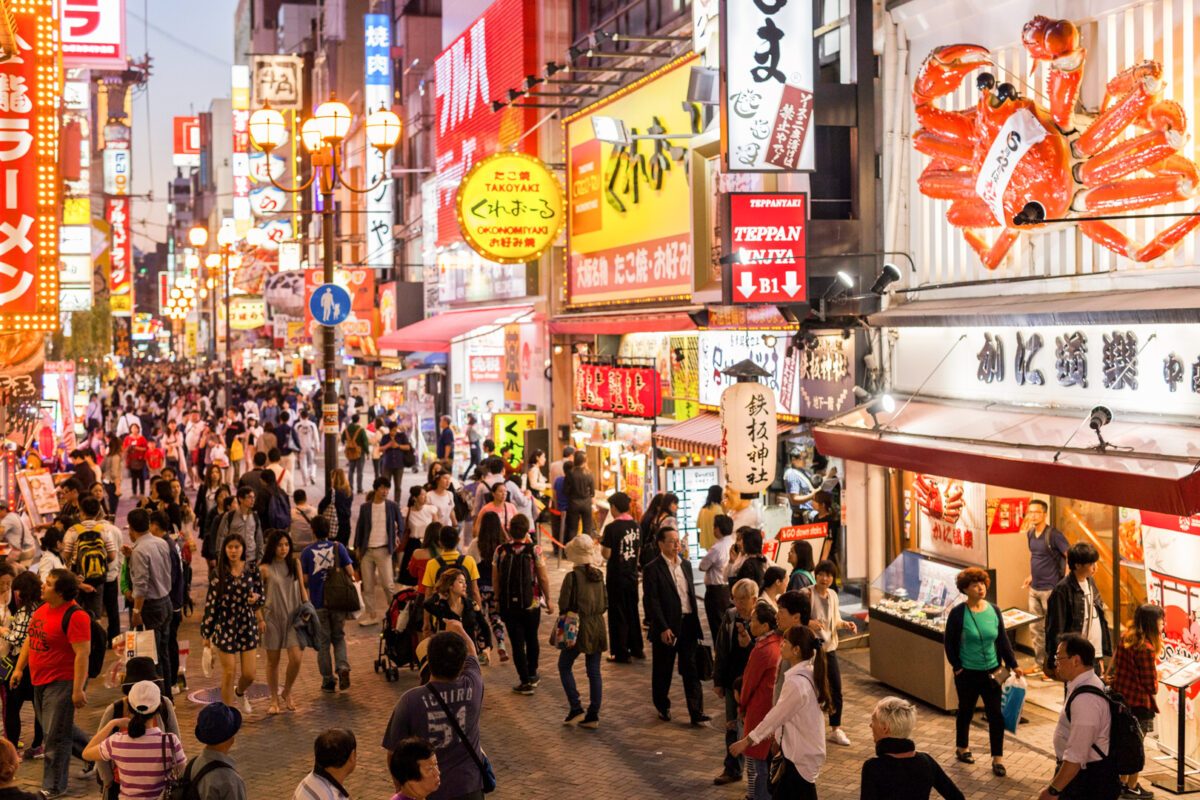
Kani Doraku Crab Sign

Kani Doraku Crab Sign

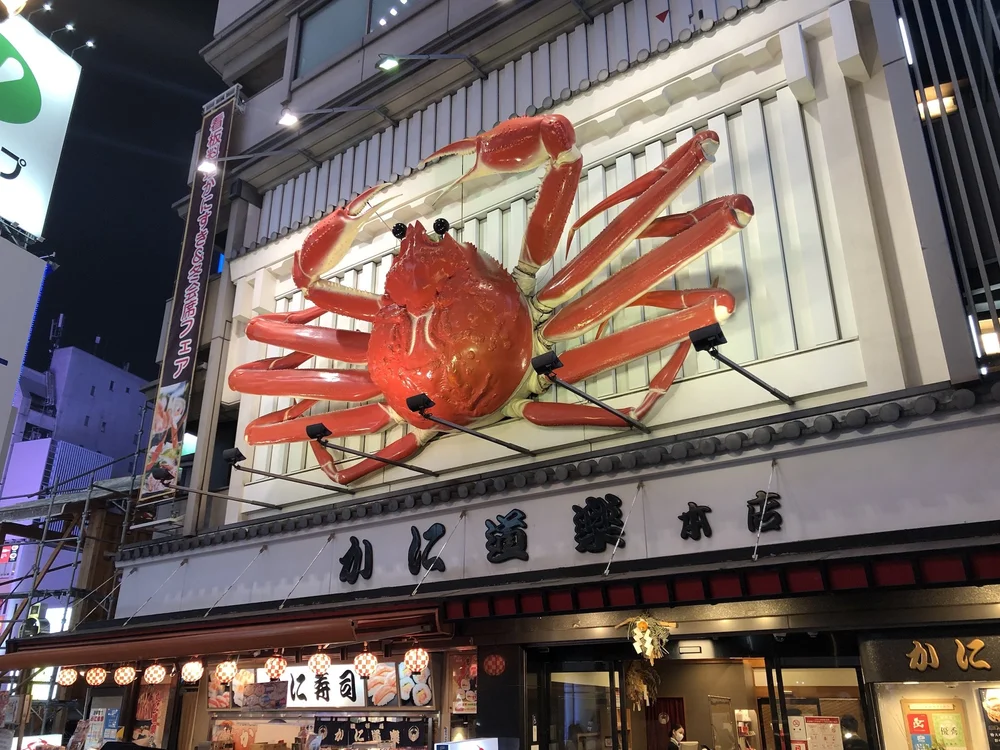
This mechanical giant crab is a famous landmark known for its moving legs. It serves as a popular meeting point for an osaka food tour dotonbori.

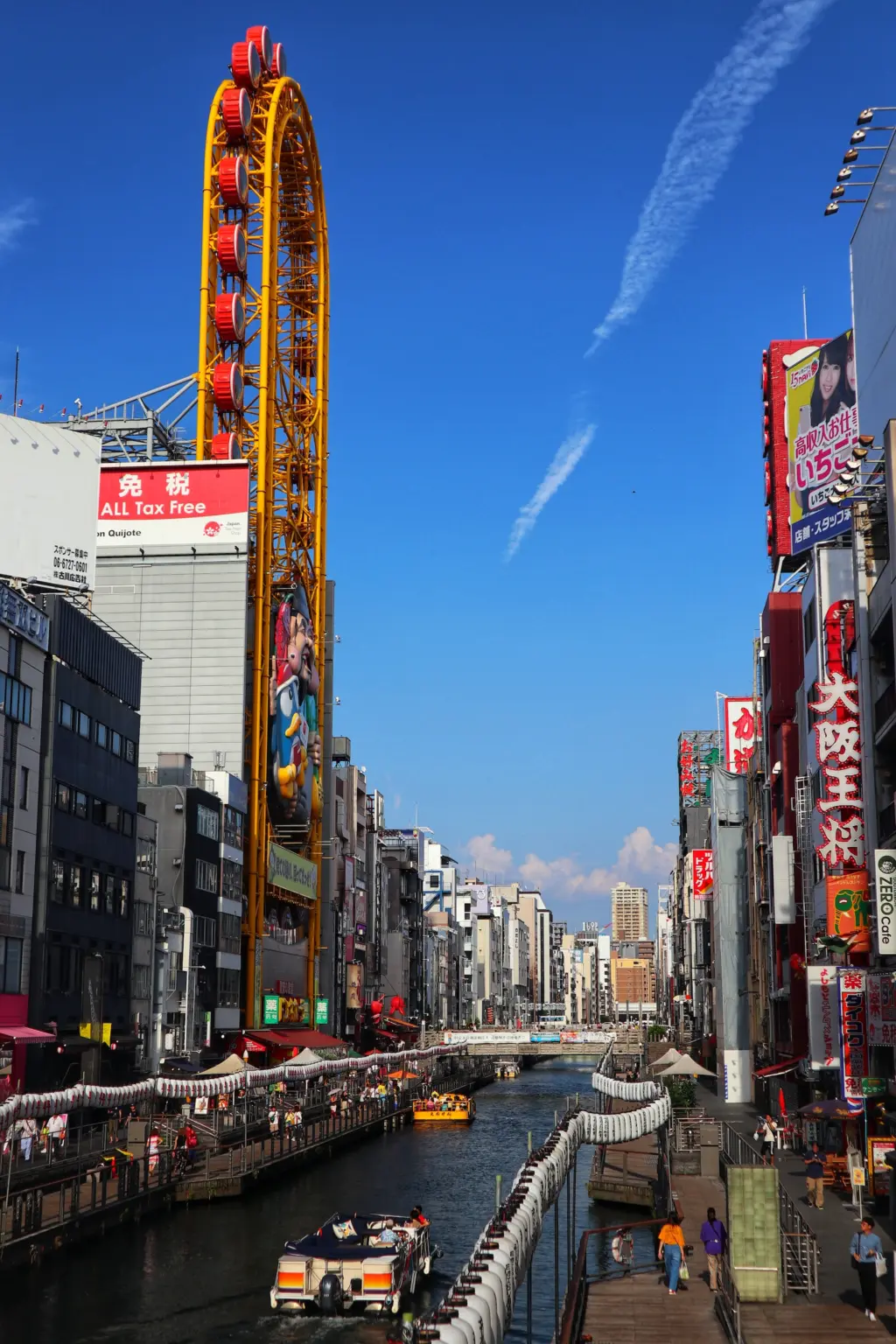
Don Quijote Ferris Wheel

Don Quijote Ferris Wheel

This unique oval-shaped Ferris wheel is built directly into the store facade. It provides a view over the busy streets for those on an osaka food tour dotonbori.

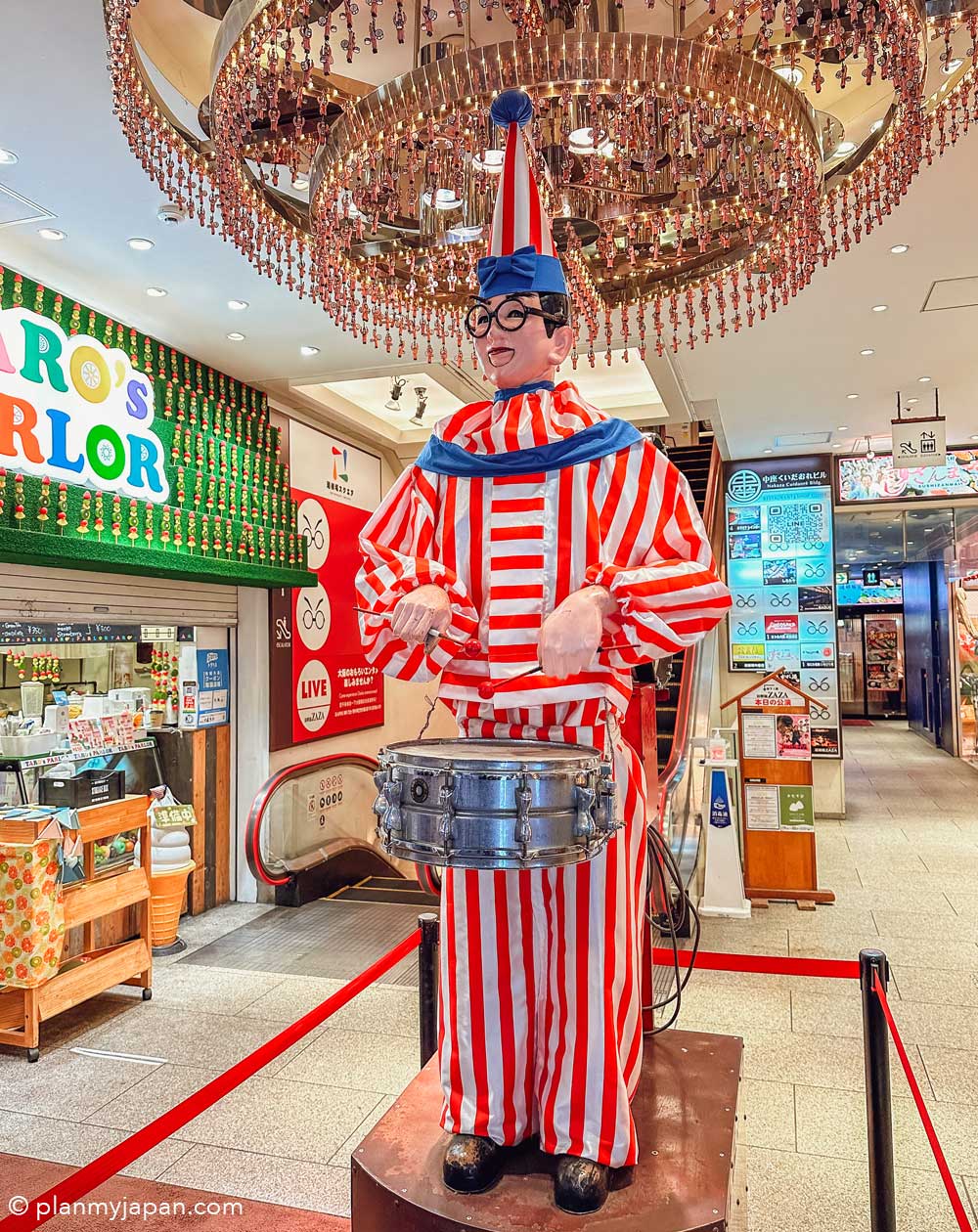
Kuidaore Taro

Kuidaore Taro

This famous drumming clown mascot represents the city's food culture. It is a must-see stop on your osaka food tour dotonbori.

The experience

What visiting Osaka Food Tour Dotonbori is really like

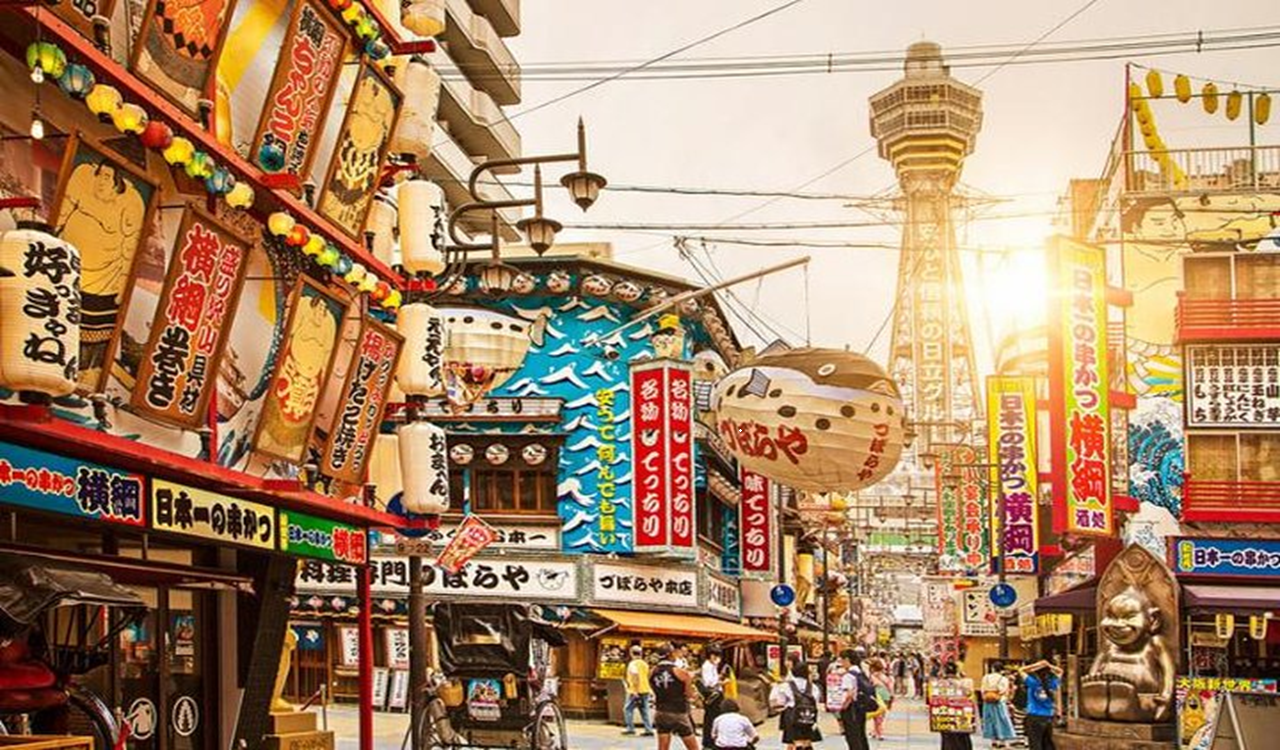
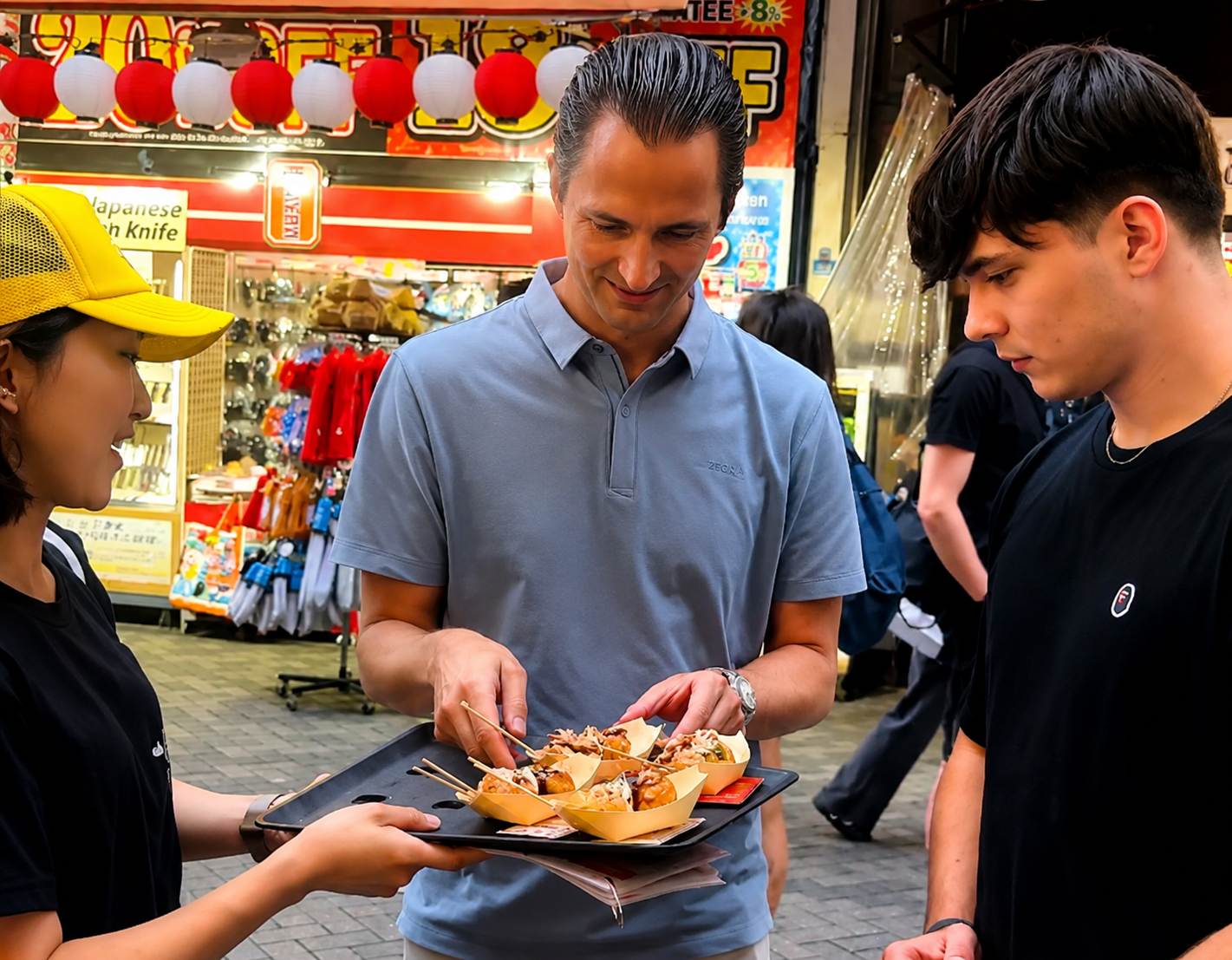
You meet your guide near the Glico Man at dusk, just as the neon runners and crabs begin their synchronized glow. The group is small—six to eight people—and within minutes you're walking south along the canal, away from the selfie crowds, toward a kushikatsu counter tucked beneath a railway arch.

Read more Show less

The chef hands you a skewer of breaded pork, then lotus root, then quail egg, each one fried for exactly ninety seconds. You dip once into the communal sauce and move on.

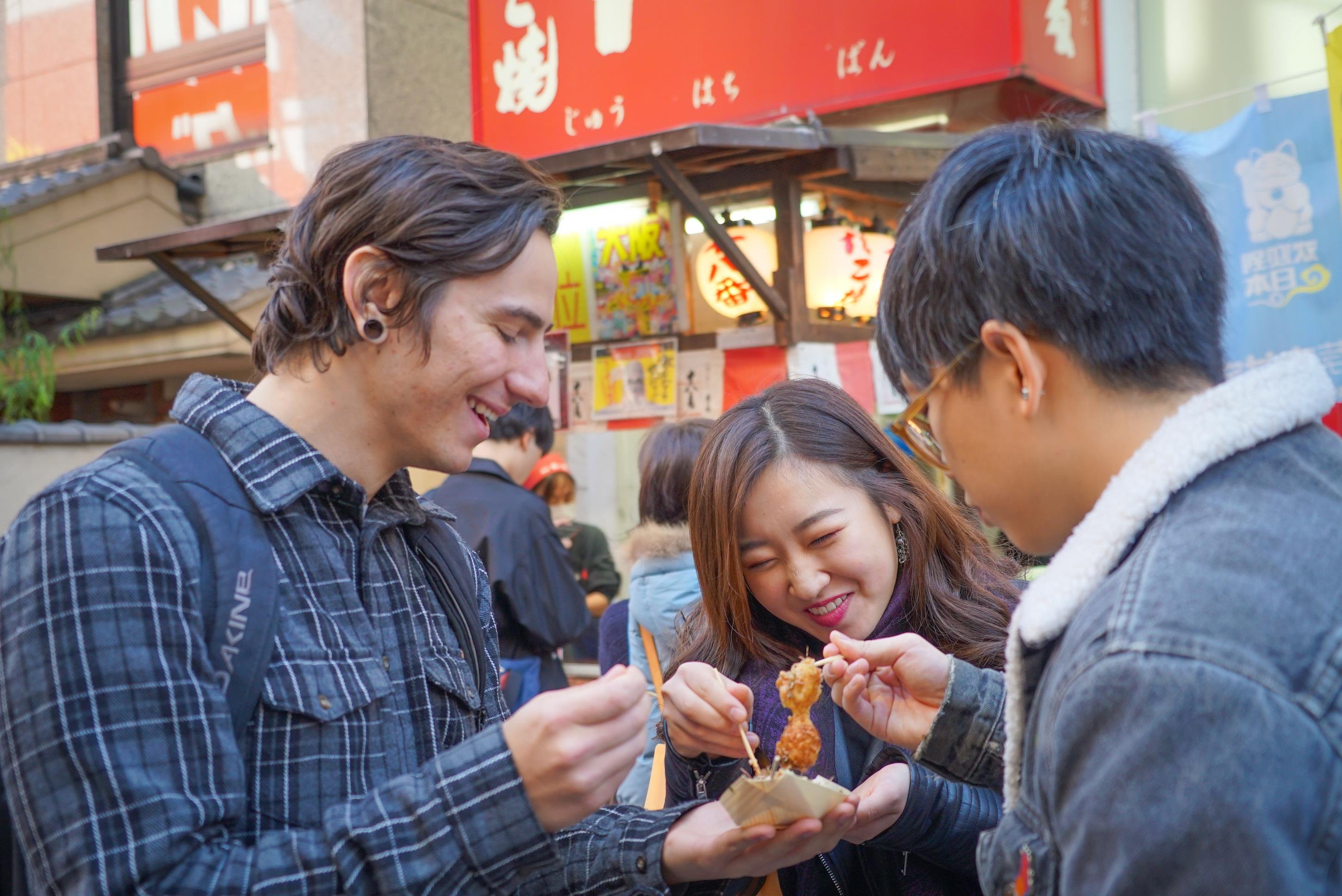
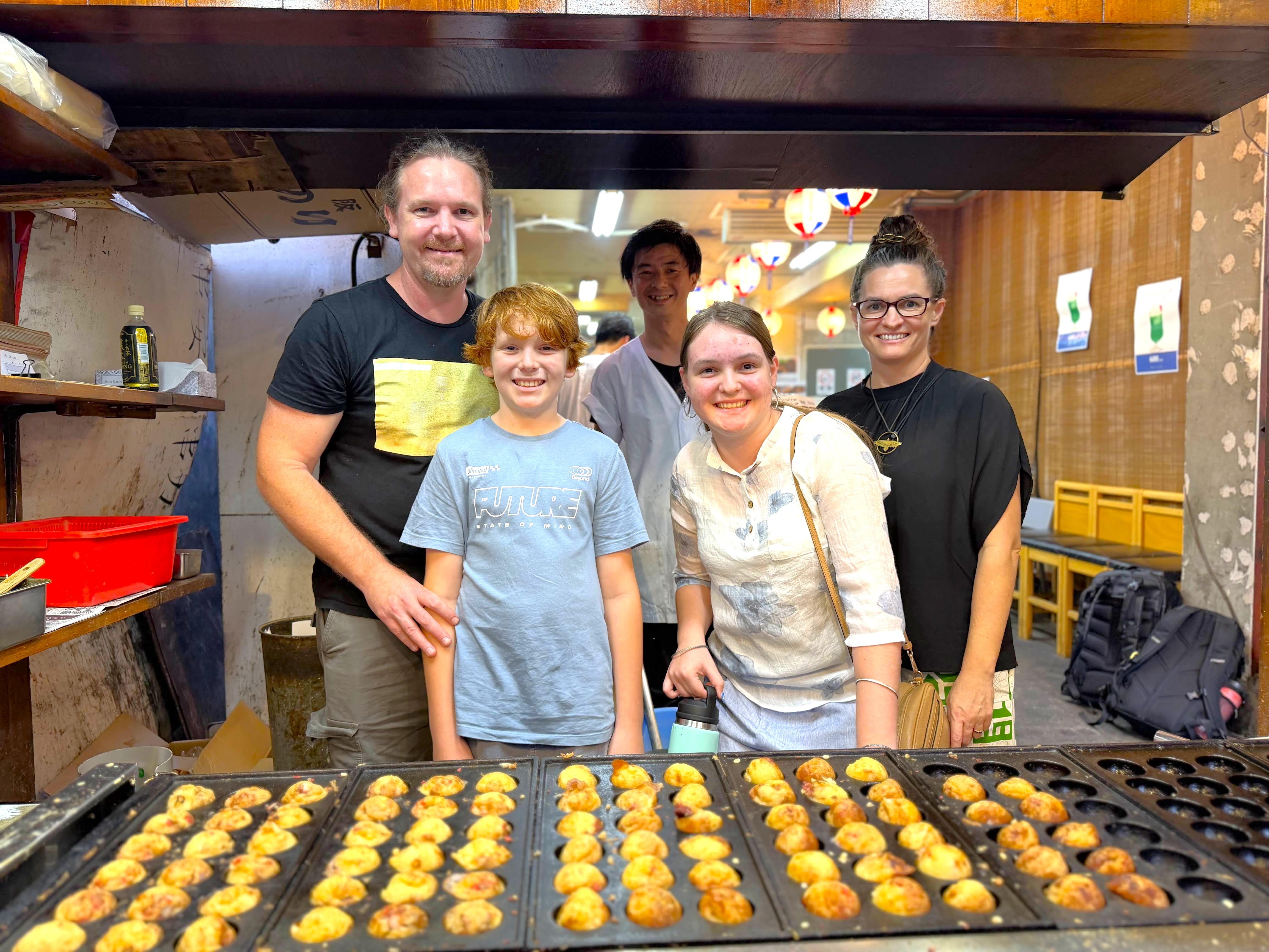
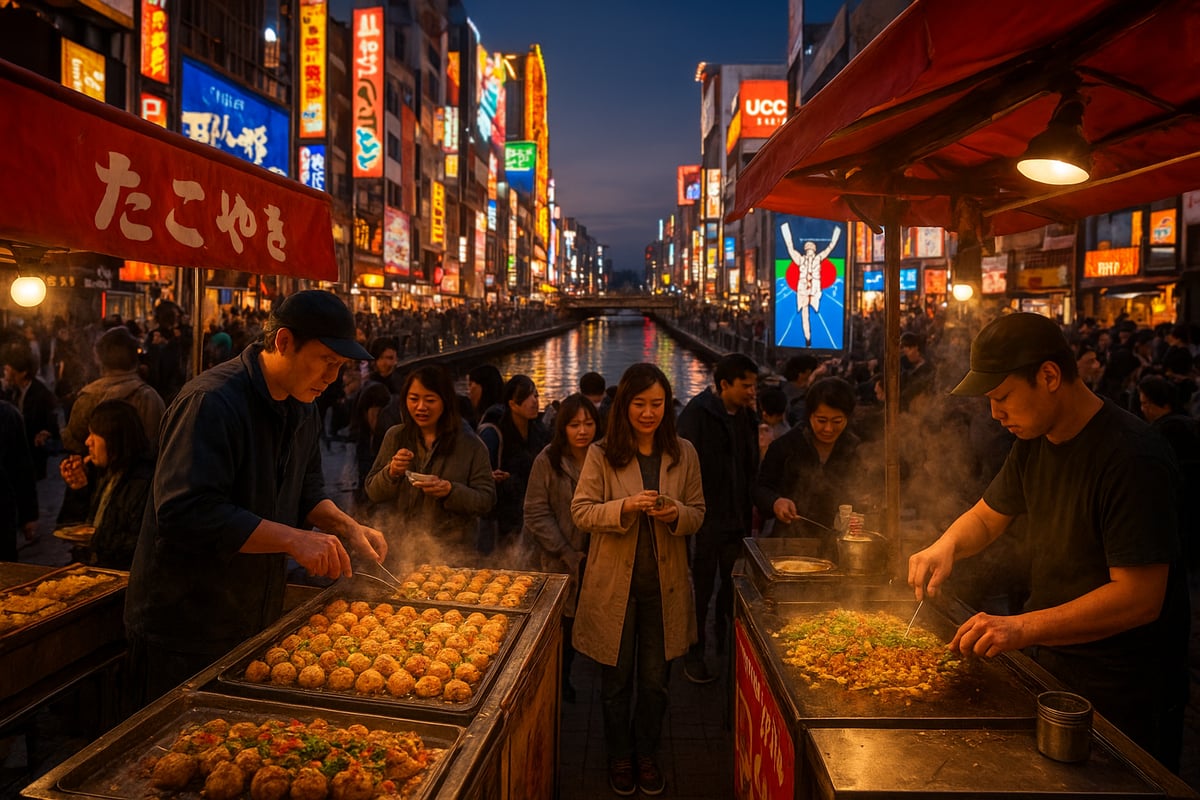
The route zigzags through covered arcades where the air smells of grilled squid and caramelized soy. At a takoyaki stall run by the grandson of the original owner, you watch batter poured into hemispherical molds, the octopus chunks turning amber as the vendor flips each ball with twin metal picks. Three blocks later you're seated at an izakaya counter, a small ceramic cup of sake in hand, while the chef grills mackerel over binchotan charcoal. The fish arrives still crackling, skin blackened, flesh translucent.

By the final stop—an okonomiyaki parlor where diners cook their own pancakes on built-in griddles—you've tasted fifteen dishes and walked two kilometers through the brightest, loudest, most densely flavored five blocks in Japan. The guide bows, hands you a map marked with the evening's stops, and disappears into the neon haze.

Osaka Food Tour Dotonbori
Everything You Need to Know

Your complete Osaka Food Tour Dotonbori guide

All the details about your upcoming adventure in one place

Dotonbori's 400-meter canal was dug in 1615 by merchant Yasui Doton to connect the Higashi-Yokobori and Nishi-Yokobori rivers, transforming Osaka's commercial geography overnight.

By the Edo period the waterway had become the city's entertainment spine, lined with kabuki theaters and teahouses that drew merchants from Kyoto and Sakai. The famous Glico Man neon sign—depicting a sprinter breaking a finish-line ribbon—was erected in 1935 to advertise caramel candy; it has been rebuilt six times, each iteration brighter and more kinetic than the last. Today the sign anchors a streetscape so dense with illuminated billboards that the canal itself glows amber and cyan after sunset.

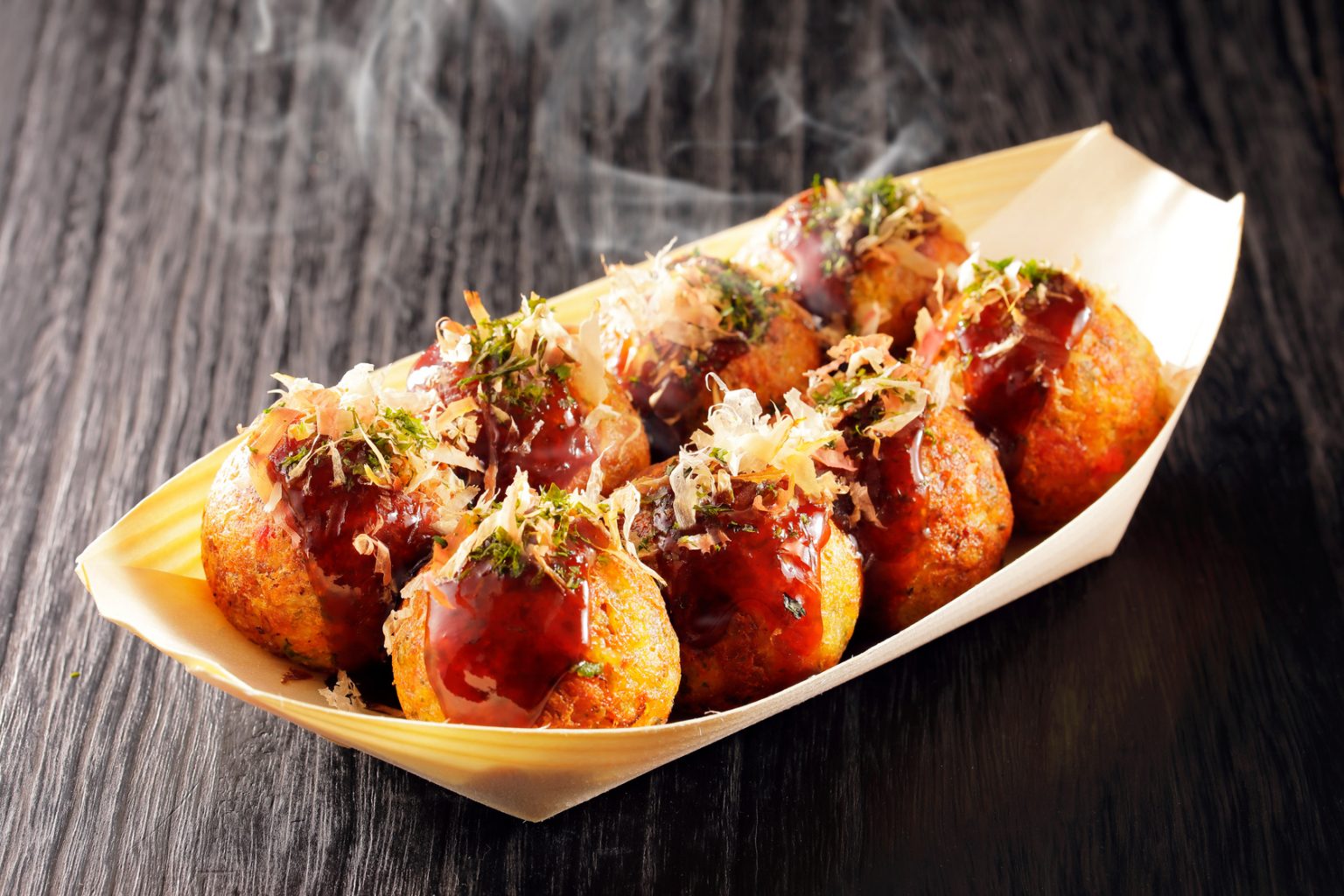
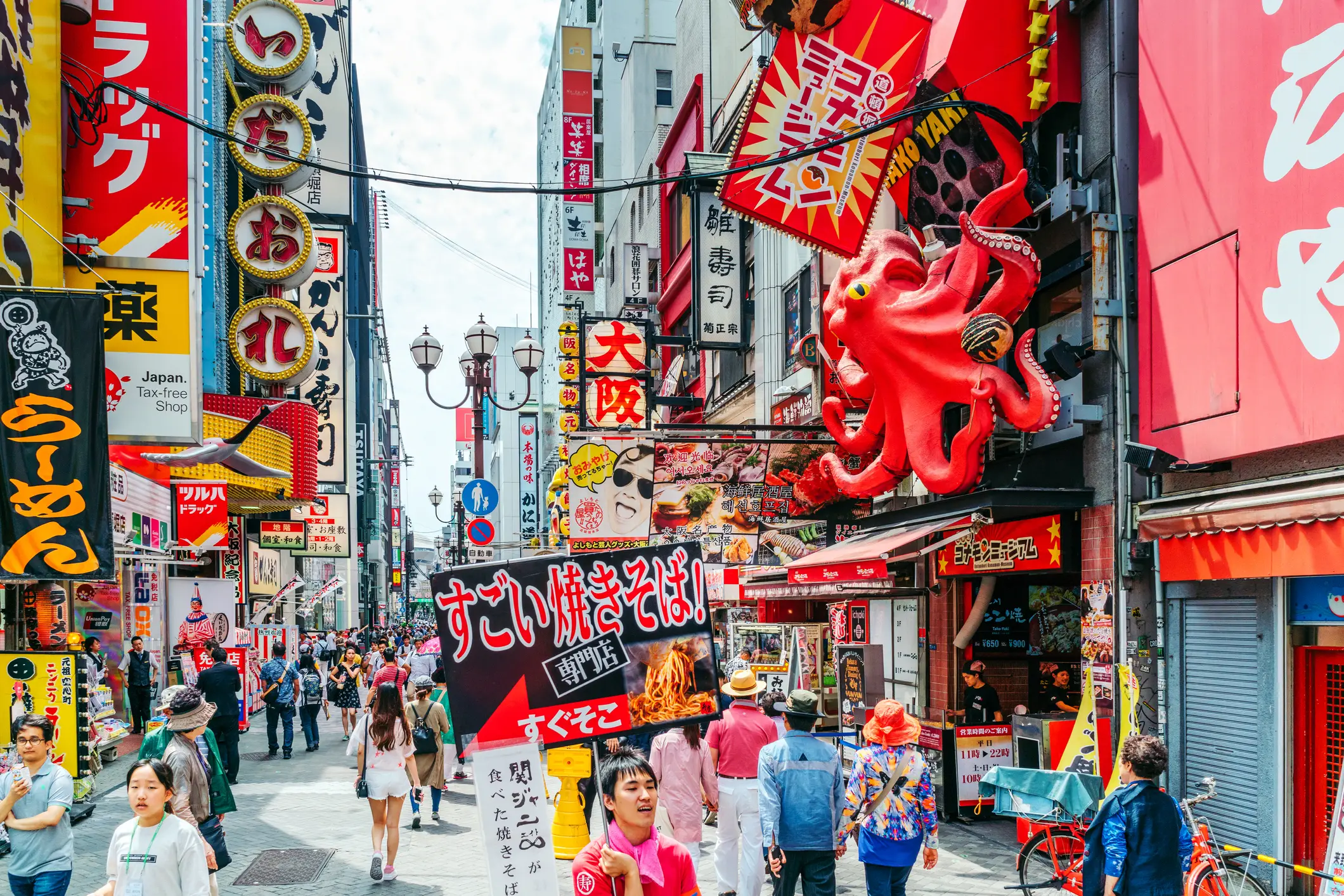
Osaka food tour Dotonbori experiences center on the district's role as the birthplace of kuidaore culture, a term that translates roughly as "eat until you drop." The philosophy took root in the Meiji era when Osaka's merchant class began to celebrate culinary excess as a form of civic pride, commissioning oversized mechanical crabs, octopuses, and blowfish to hang above storefronts. Takoyaki—golf-ball-sized spheres of batter studded with octopus—was invented here in 1935 by street vendor Tomekichi Endo, who adapted the older akashiyaki recipe by adding pickled ginger and a Worcester-style sauce. Okonomiyaki, the savory cabbage pancake, arrived from Hiroshima but evolved in Dotonbori kitchens to include a dizzying array of toppings: pork belly, squid, mochi, cheese, even kimchi.

The neighborhood's culinary density is unmatched in Japan: within a five-minute walk of Ebisubashi Bridge you can sample kushikatsu (deep-fried skewers governed by a no-double-dipping rule), negiyaki (spring onion pancakes), and yakisoba cooked on griddles so large they require two cooks. Izakaya alleys branch off the main canal, their lantern-lit entrances leading to counter-seat bars where grilled mackerel and sake flow until the last train. The district's food heritage is now protected by the Dotonbori Shotengai Association, which maintains strict standards for stall placement and neon design.

Dotonbori street food walking tours typically depart in the early evening, when the neon signage reaches full saturation and the crowds thicken along the canal promenade. Guides lead small groups through Shinsekai and the arcade streets parallel to the water, stopping at stalls and izakayas that have operated in the same location for three or four generations. The tours last between two and three hours and include twelve to eighteen tastings, depending on the route, with stops calibrated to avoid the crush at the most photographed intersections.


Kuidaore culture—eat until you drop—took root here when Osaka's merchant class began to celebrate culinary excess as civic pride.

Dress code

Casual and comfortable attire is recommended when joining an osaka food tour dotonbori. Wear walking shoes to navigate the crowded thoroughfare.

Bags & security

There are no security checkpoints as this is a public district. Keep personal belongings secure while participating in any osaka food tour dotonbori due to high foot traffic.

Photography

Photography is permitted throughout the area. Respect the privacy of individuals and refrain from using professional equipment that blocks pedestrian flow during your osaka food tour dotonbori.

Families & strollers

The area is family-friendly, though the nighttime atmosphere can become quite energetic. Keep children close during your osaka food tour dotonbori as the sidewalks are packed.

Accessibility

The area is flat and paved, making it accessible for wheelchairs and strollers. Be aware that popular spots may become very crowded during an osaka food tour dotonbori.

Food & drink

Eating and drinking are expected activities. Please dispose of all trash in designated bins provided by vendors when taking an osaka food tour dotonbori.

Not allowed

× Drones × Large tripods × Alcohol in glass bottles × Hazardous materials × Loud speakers × Commercial filming equipment without permit × Stolen goods × Open flames

What to bring

✓ Comfortable footwear ✓ Cash in JPY ✓ Camera ✓ Portable battery ✓ Hand sanitizer ✓ Refillable water bottle

Opening hours

Mon 00:00–23:59
Tue 00:00–23:59
Wed 00:00–23:59
Thu 00:00–23:59
Fri 00:00–23:59
Sat 00:00–23:59
Sun 00:00–23:59

How to get there

At a glance

Opening Hours

00:00–23:59

Address

1 Chome Dotonbori, Chuo Ward, Osaka, 542-0071, Japan

Public Access

Fully accessible street level area

Best Time

17:00–21:00

Storage

Not available on public street

Navigation

Accessible via Namba Station

Getting there

Public transport · 5 min · Free

Take the Midosuji or Sennichimae Line to Namba Station. Walk approximately 5 minutes to reach the district heart.

Cancellation policy

As this is a public street, no cancellation policy applies for general access. If you have booked a specific osaka food tour dotonbori through a third-party operator, please refer to your provider's specific terms.

Plan your time

Planning Your Osaka Food Tour Dotonbori Duration and Timing

Recommended time

2-3 hours

Most visitors spend 2-3 hours walking the canal to experience an osaka food tour dotonbori through the narrow lanes. If you plan to dine at multiple street stalls, factor in wait times for popular takoyaki stands to ensure your Osaka landmark excursion remains relaxed. You can secure osaka food tour dotonbori tours to navigate the area efficiently, though independent explorers often purchase individual osaka food tour dotonbori tickets for specific tastings. Because there are no physical barriers to access, those seeking quieter observation of the Glico Man sign and neon reflection on the water should arrive during off-peak morning hours.

Crowd levels through the day

Morning (08:00-11:00) Light
Lunch (12:00-14:00) Moderate
Afternoon (15:00-17:00) Moderate
Evening (17:00-21:00) Very Busy
Late Night (22:00-00:00) Moderate
Plan ahead

Best time to visit Osaka Food Tour Dotonbori

Weather · crowds · average price — dots go green to amber to red as each metric rises.

Spring

March to May brings pleasant temperatures and cherry blossom season traffic. This period is ideal for an osaka food tour dotonbori as outdoor dining becomes more popular.

Summer

June to August is humid with potential rain, though evening temperatures are milder. Many festivals take place near the canal.

Autumn

September to November features crisp, cool air and vibrant evening lights. It is considered a peak season for those seeking an osaka food tour dotonbori.

Winter

December to February is cold, but the area remains lively with winter illuminations. Fewer tourists allow for easier navigation.

Insider tips

Helpful tips for visiting Osaka Food Tour Dotonbori

Avoid peak crowds

Visit early or later in the week to avoid extreme congestion during an osaka food tour dotonbori. Weekends are significantly busier than Tuesday or Wednesday.

Use local transport

Do not attempt to drive in this area as parking is scarce and expensive. Use the Namba station hub for your osaka food tour dotonbori access.

Respect local customs

Dispose of food wrappers in bins provided by vendors. Do not litter on the public street during your osaka food tour dotonbori.

Where to meet

Osaka Food Tour Dotonbori meeting points

Dotonbori Bridge

1 Chome Dotonbori, Osaka

Common starting point for walking groups

Get directions
The story

The History Behind an Osaka Food Tour Dotonbori Excursion

Dōtonbori's story begins in 1612, when merchant and developer Yasui Dōton redirected the Umezu River to create a navigable canal linking the city's eastern and western waterways. Dōton envisioned a theater district that would rival Kyoto's entertainment quarters. He died before completion, but his cousin Yasui Sōan finished the project in 1615, naming the canal in his honor. The Tokugawa shogunate granted licenses to establish five major kabuki theaters along the new waterfront. By the 1620s, Dōtonbori had become Osaka's principal stage quarter, drawing audiences from across western Japan. The density of theaters shaped the district's character: vendors selling snacks and street food clustered near the entrances, feeding theatergoers before and after performances. The Meiji era brought mechanical advertising. In 1919, the district installed its first electric signboard, a novelty that drew crowds. The 1920s saw kinema halls replace some kabuki stages, and restaurant owners began commissioning large three-dimensional signs to compete for attention. Dōtonbori's neon landscape took shape during this period. The district's culinary identity solidified between the wars, when Osaka's working-class food culture—okonomiyaki, takoyaki, kushikatsu—moved from street stalls into permanent storefronts. An Osaka food tour Dotonbori route today follows the same corridor where vendors once sold grilled squid outside theater doors. American firebombing in 1945 destroyed most of the canal's historic structures. Reconstruction began immediately, but postwar Dōtonbori prioritized functional commerce over heritage architecture. The Glico Running Man sign, first erected in 1935, was rebuilt in 1955 and has since become the district's most photographed landmark. By the 1980s, osaka food tour dotonbori tickets were being marketed to international visitors as the definitive Osaka culinary experience. The canal itself, long used as an informal dump, was cleaned and reinforced in the early 2000s. Pedestrian promenades now line both banks, and the Tombori River Cruise launched in 2004, reintroducing canal travel four centuries after Yasui Dōton first imagined it.

Photo spots

Top Photo Spots for Your Osaka Food Tour Dotonbori Experience

Ebisu Bridge

Ebisu Bridge

Best light · 17:00–21:00

Stand in the center of this iconic crossing to capture the Glico Running Man billboard reflected in the canal waters. This location provides the best perspective for your osaka food tour dotonbori photography.

Dotonbori Canal Path

Dotonbori Canal Path

Best light · 17:00–21:00

Walk along the riverside walkway to frame the vibrant illuminated storefronts and moving mechanical displays against the dark water. This lower vantage point offers a unique angle for capturing the district's dense neon signage.

Kani Doraku Crab Sign

Kani Doraku Crab Sign

Best light · 17:00–21:00

Position yourself directly across from the large moving crab sculpture to photograph its intricate mechanical motion against the evening sky. This landmark is a central feature for those documenting their Osaka gastronomy tour.

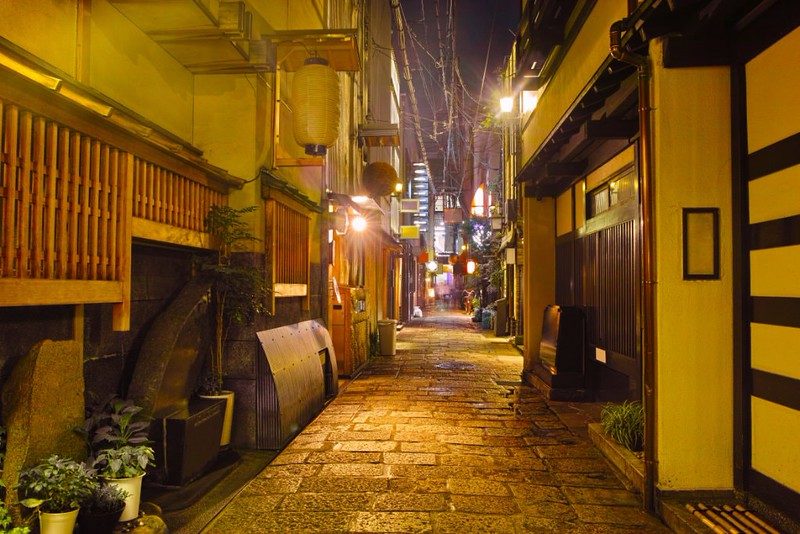
Hozenji Yokocho Alley

Hozenji Yokocho Alley

Best light · Before 19:00

Step into this stone-paved narrow lane nearby to contrast modern neon with the traditional atmosphere of lantern-lit restaurants. It serves as a quiet escape from the main street bustle for anyone seeking varied Osaka landmarks.

Gallery

Moments from Osaka Food Tour Dotonbori

With kids

Visiting Osaka Food Tour Dotonbori with kids

Navigating an osaka food tour dotonbori with children requires patience due to the dense crowds along the canal. Preparing for high-energy sensory input helps ensure a smooth experience for the whole family.

Strollers

While the area is paved, it becomes extremely congested; a compact, foldable stroller or baby carrier is recommended for these osaka food tour dotonbori tours. Navigation is much easier if you avoid peak hours or main thoroughfares with a large pram.

Facilities

Public restrooms are available in nearby department stores and train stations, though baby-change tables can be limited. Locating these facilities before starting your osaka food tour dotonbori ticket experience provides peace of mind.

Pacing

The best arrival window is 17:00–21:00, but consider an earlier start to manage younger children's energy levels before the peak neon illumination. Frequent breaks at the canal-side viewing areas offer a necessary respite from the busy street-food corridors.

Food with kids

Many street vendors serve small, handheld portions perfect for sharing during a local Dotonbori food walking adventure. Keep a close eye on your children, as the area is a public street with no formal seating for many stalls.

Safety

This bustling Osaka landmark can be overwhelming for toddlers due to the narrow walkways and vibrant signage. Keep a firm grip on little ones, as the area remains open to pedestrian traffic 24 hours a day.

Food & drink

Where to Eat During an Osaka Food Tour Dotonbori Visit

Dotonbori serves as the heart of regional culinary traditions, offering endless street food stalls and historic kitchens near an osaka food tour dotonbori. Visitors can enjoy local specialties like takoyaki and savory pancakes throughout the neon-lit district.

Kukuru

€€

Street food

Famous for fluffy takoyaki topped with generous portions of octopus and secret sauce. This popular stall often has a line, making it a quick stop for those joining osaka food tour dotonbori tours.

FAQ

Osaka Food Tour Dotonbori — frequently asked questions

Everything you need to know for your journey

Around the corner

More to see near Osaka Food Tour Dotonbori

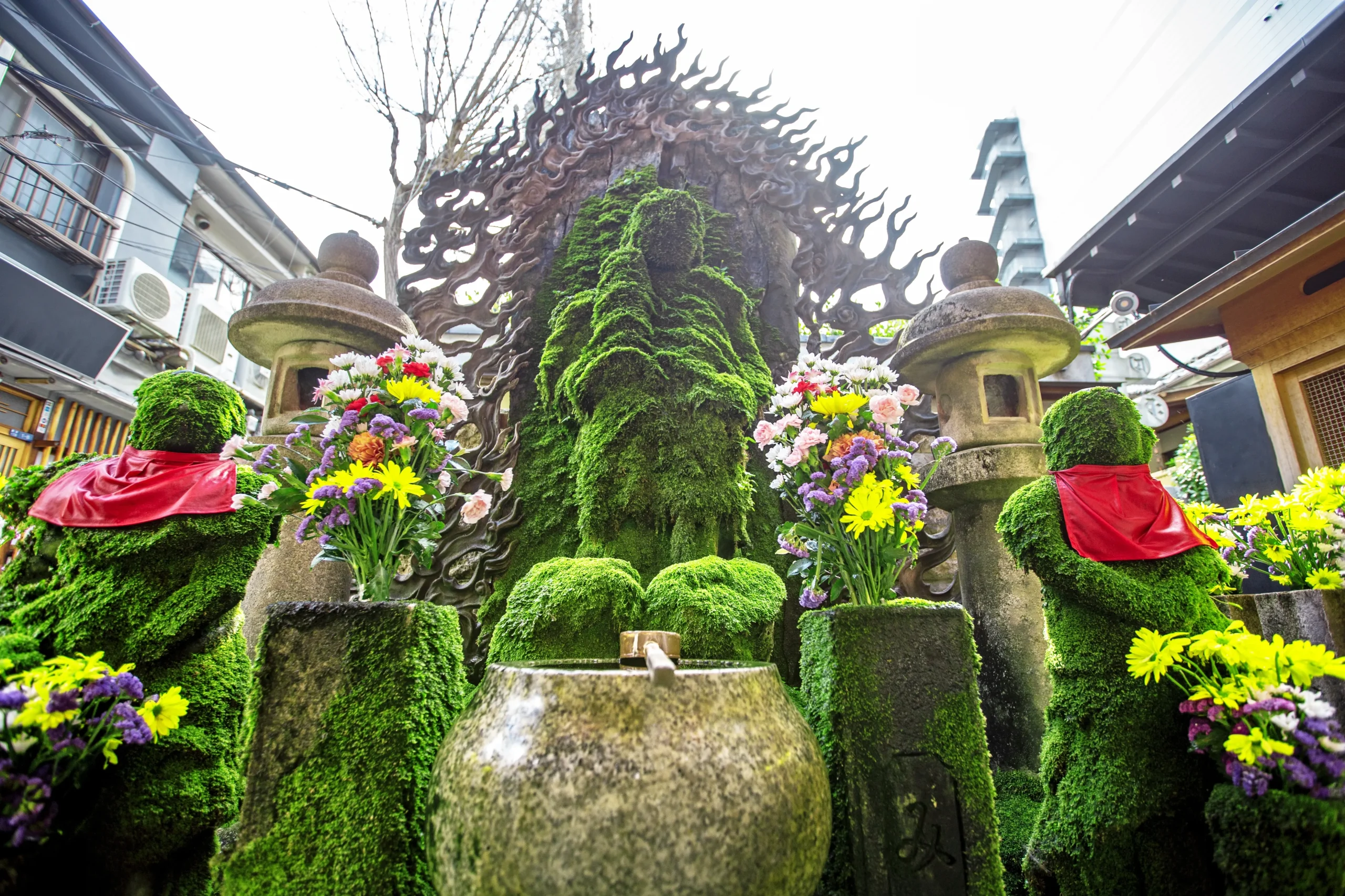
Hozenji Temple

Hozenji Temple

5 min

landmark

A small, tranquil temple featuring a moss-covered statue of Fudo Myoo. It provides a quiet escape from the busy streets

Where to stay

Where to stay near Osaka Food Tour Dotonbori

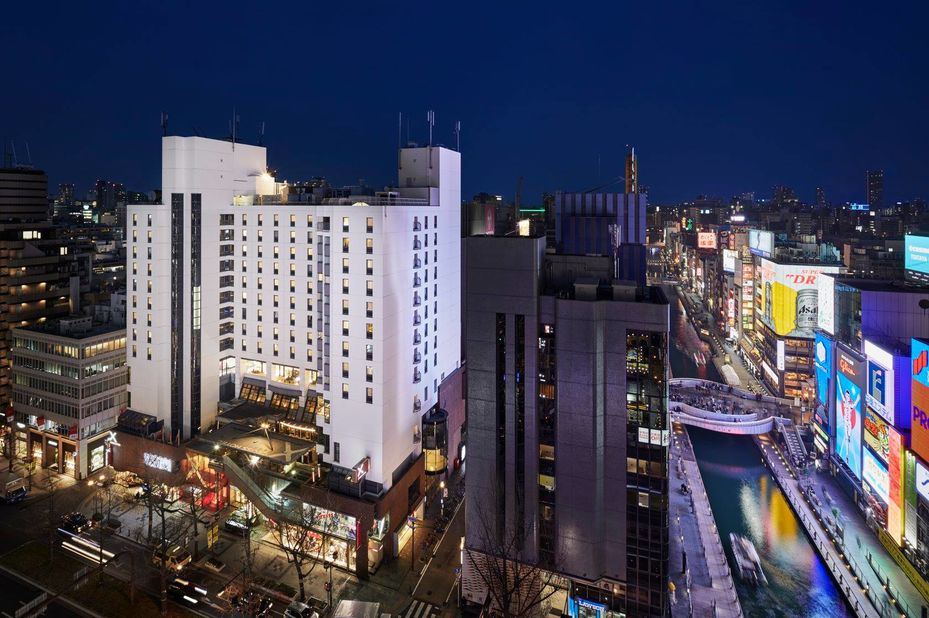
Cross Hotel Osaka

Cross Hotel Osaka

3 min

luxury

A modern hotel located steps away from the canal area

Ready for Adventure?

Join thousands of happy travelers who have discovered this incredible experience

Book Your Experience Now